About
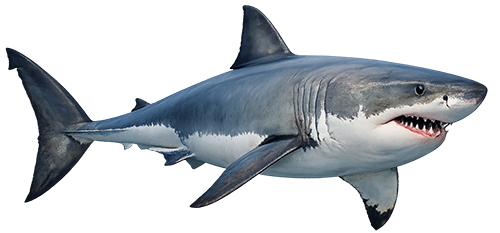
Dedicated to the preservation of the great white shark (Carcharodon carcharias), this project exists to protect and showcase the legacy of one of the ocean’s most important apex predators.
Despite legal protections introduced in many countries since the 1990s and its inclusion in CITES Appendix II in 2004, the species remains vulnerable due to historical exploitation and slow biological recovery.
By creating a comprehensive global archive of all known great white shark jaws, we aim to document their origin, safeguard their historical and scientific significance, and promote awareness of the need for continued conservation.
How it all began
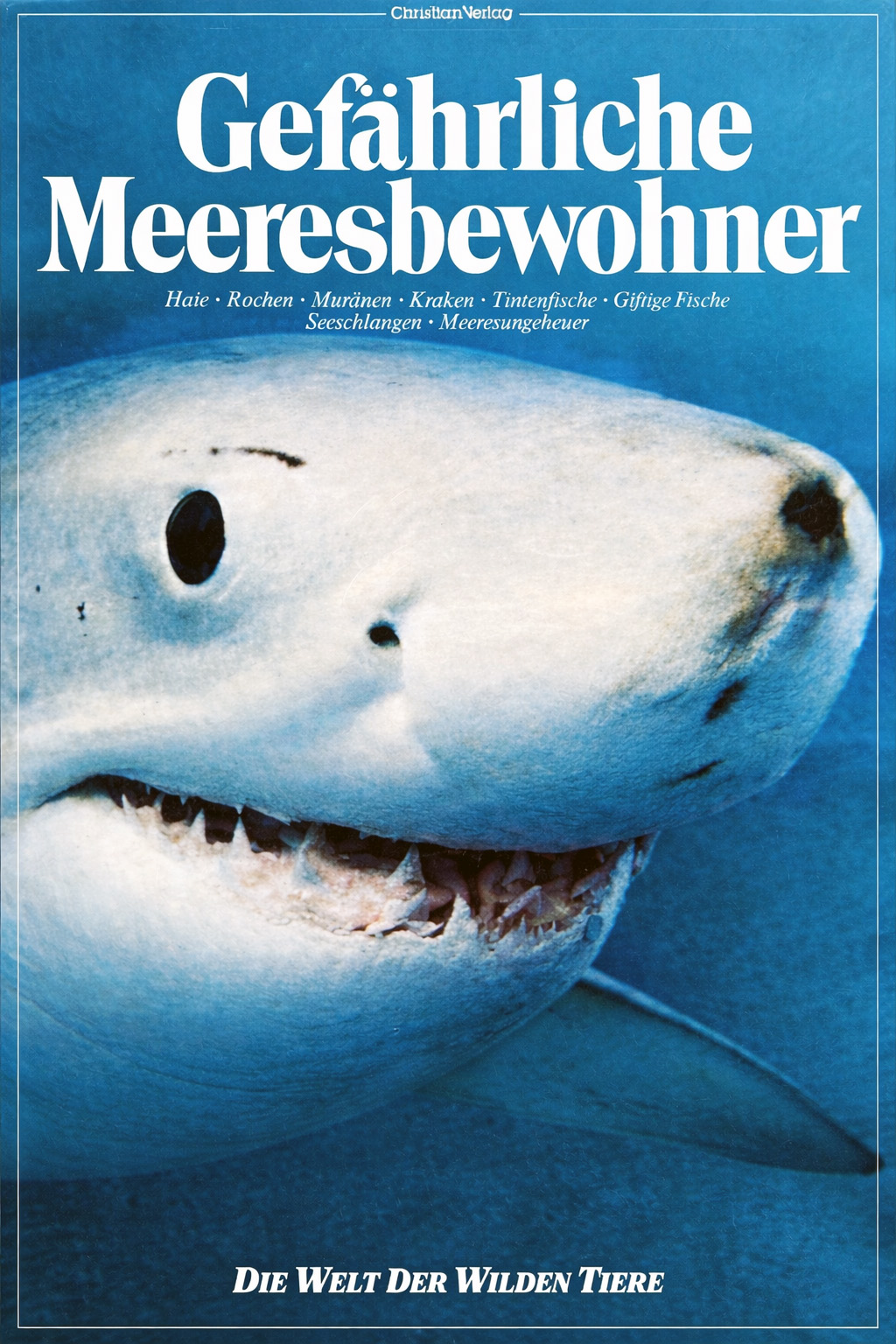
When I was about seven, my father gave me the book “dangerous sea creatures”. I couldn’t yet read all of it, but I didn’t need to. The images – especially those of white sharks – were enough. Their form, strength, and unfamiliarity held my attention. That early encounter sparked a habit of curiosity and wanting to know more about the world beneath the water.
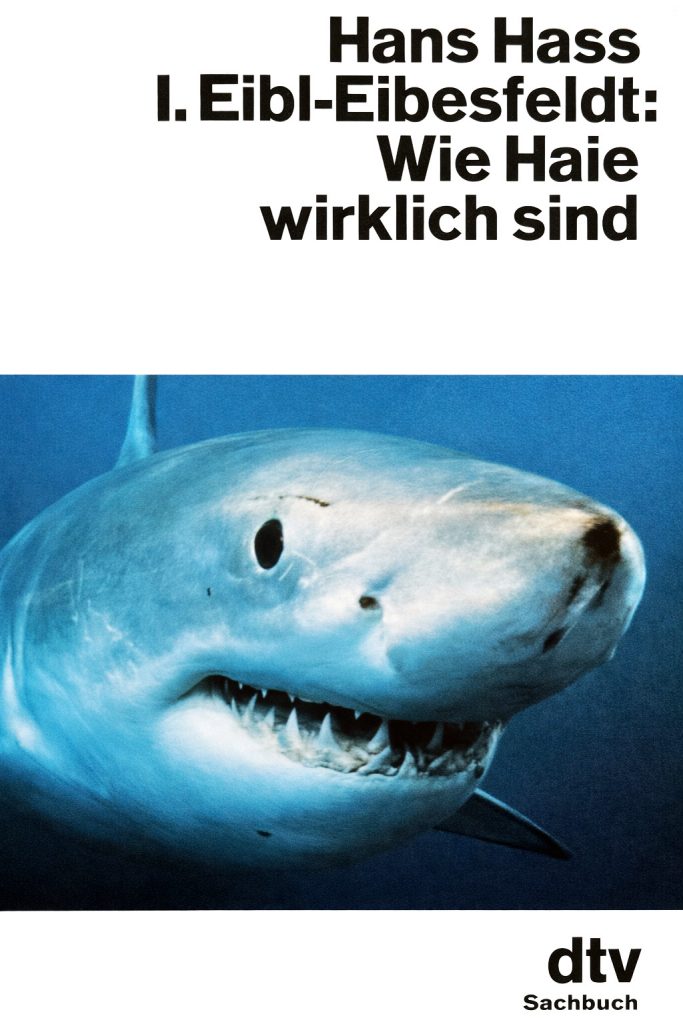
As I grew older, I returned to the subject with more serious reading “what sharks are really like”. What began as visual interest developed into a desire for understanding – the science, the behavior, and the broader context behind it. The fascination remained, but it matured into a sustained commitment.
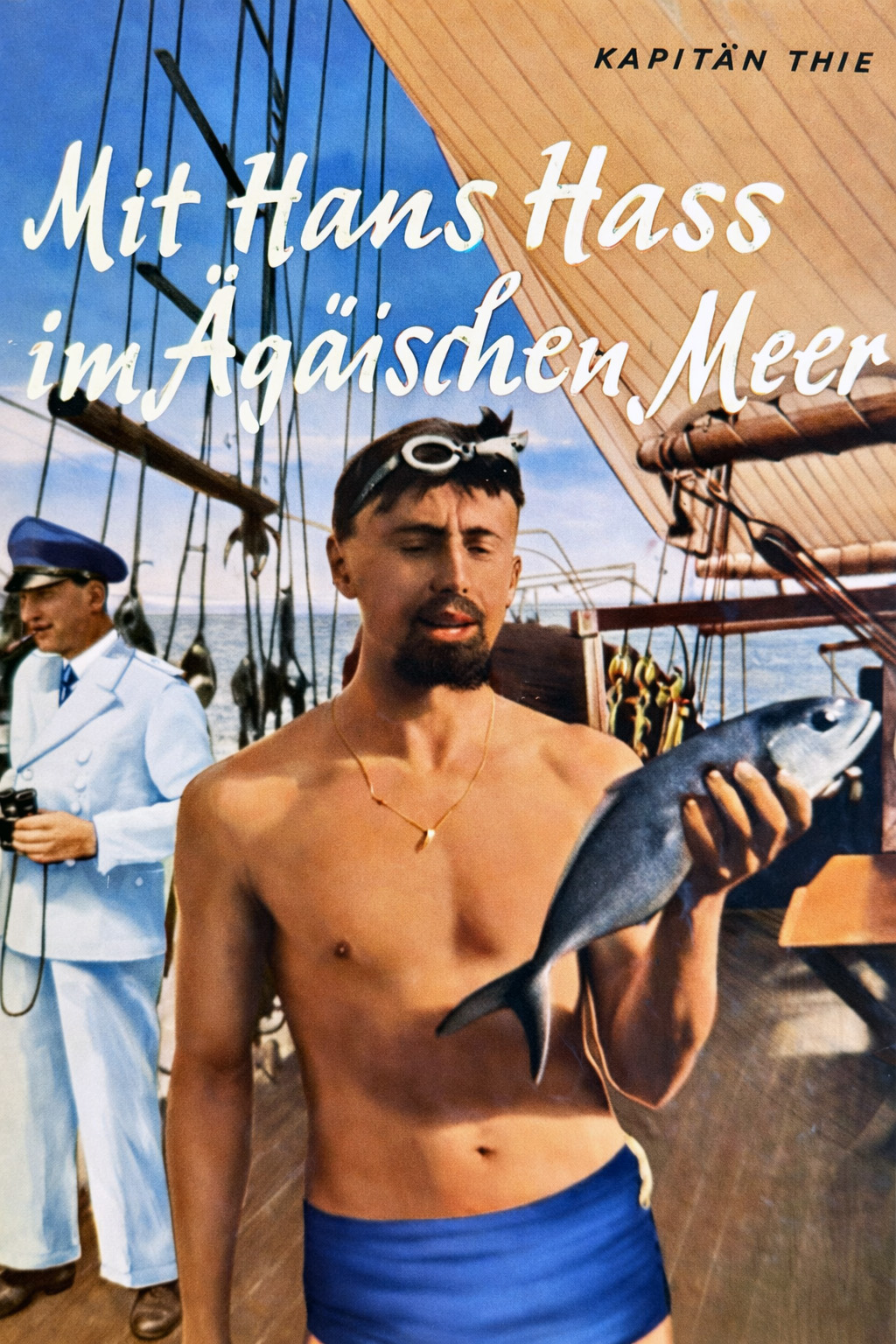
Apnoe diving
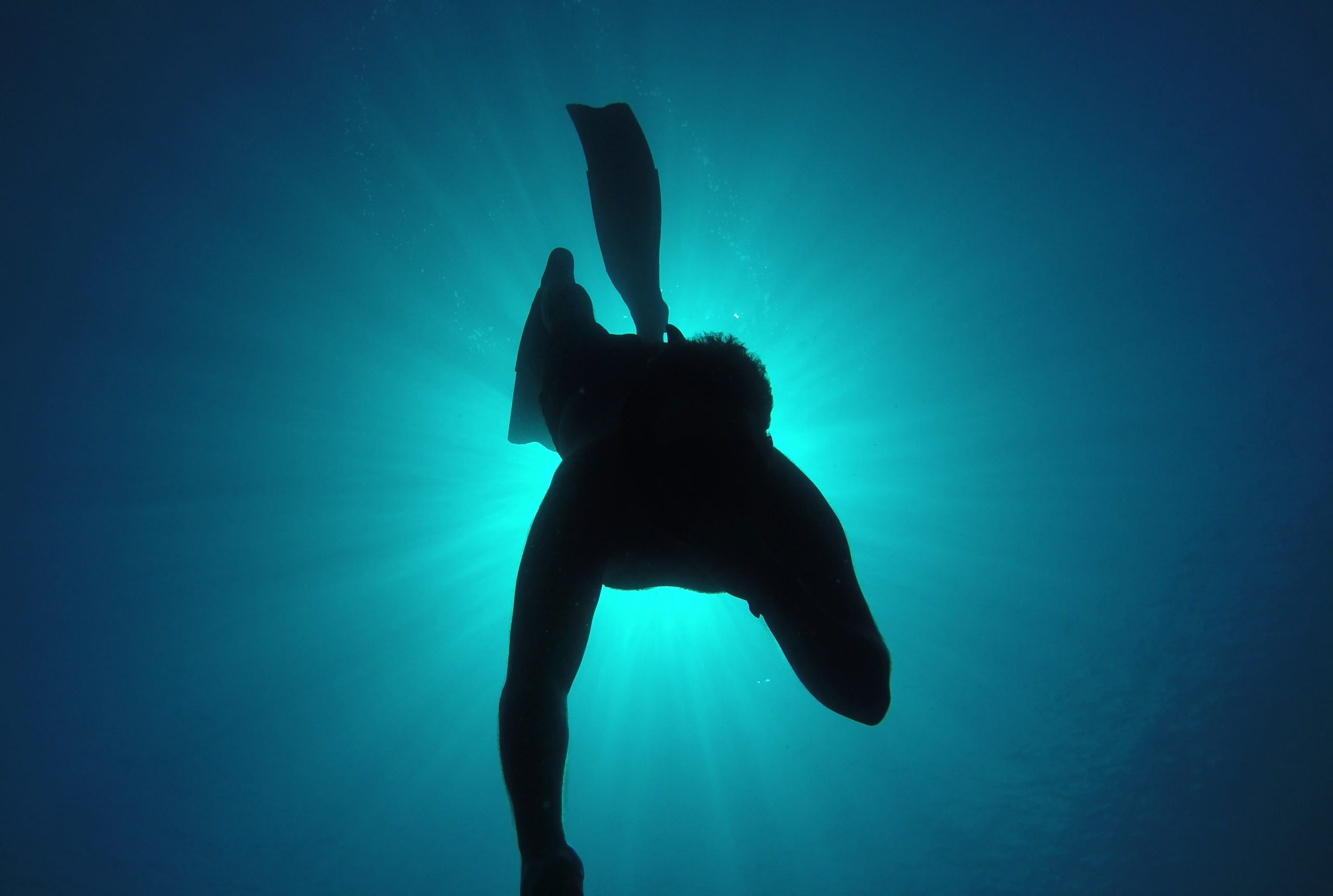
I got my first diving mask when I was five. What started as endless hours of snorkeling quickly turned into an obsession with going a little deeper, staying a little longer, and feeling more at home underwater every year.
By the time I was twelve, I could already reach around 15 meters on a single breath – and that’s when it clicked: deeper was easily possible. With the right technique, calm, and training, the limits kept moving.
Today I’m a how I call it “hobby apnoe diver” and 25+ meters comes easily. For me, freediving isn’t about pushing blindly – it’s about control, comfort and the quiet focus you only find below the surface.